影片改编自桥爪骏辉的同名小说,描写年轻人现实、表现“生存”与“爱”。北村饰演的是被上司否定了一切、通过SNS吐露心声的上班族“僕”,中川大志饰演及时行乐的Yusuke。松冈茉优饰演相信与Yusuke(中川大志 饰)的结婚会填满内心空缺的菜穗,古川琴音饰演与“僕”(北村匠海 饰)的留言产生共鸣,想成为特别的自己的“私”。
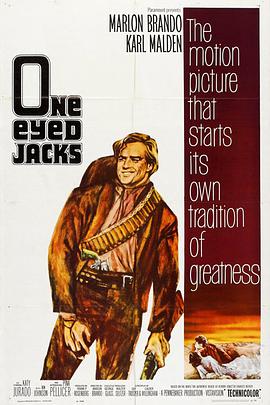
里奥(马龙·白兰度 Marlon Brando 饰)和达德(卡尔·莫尔登 Karl Malden 饰)共同参加了一场抢劫计划,哪知道达德出卖了里奥,导致里奥锒铛入狱。一晃眼五年过去,在狱友莫德斯(Larry Duran 饰)的帮助下,里奥越狱成功,他的内心里一直都没有忘记过达德的背叛,而此时的达德早已成为了镇上的成功人士。 越狱后的里奥拾起了老本行,加入了以鲍勃为首的犯罪团伙,并且在一次偶然之中结识了达德的继女路易莎(皮纳·佩利塞尔 Pina Pellicer 饰),两人之间碰撞出了爱情的火花,这让达德找到了对里奥赶尽杀绝的机会。在达德的暗中操纵下,里奥在一次被投入了监狱,最终,两人站在了决斗的战场上。
Among the trees, young women and men working the summer harvest develop new feelings, flirt, try to understand each other, find - and flee - deeper connections.
第53届金马奖形象短片之二——毕赣篇 去年以《路边野餐》一鸣惊人、勇夺金马奖最佳新导演的毕赣,回到故乡贵州凯里拍摄,并找来偶像侯孝贤的子弟兵、亦是金马奖得主姚宏易来掌镜,用16mm摄影机打造出“日常奇迹”的感动。 何谓“日常奇迹”?毕赣说他的“日常奇迹”很多,举凡孩子 出生、汽车突然能发动、太阳落山、或著饭煮熟了都是。而他对影展的形容也很奇妙:“影展就像是一个有品味的餐厅,然后这支广告像是这个餐厅的花园,裡面应该有鸟叫与花香,然后我要偷偷地放一把椅子进去,让入场的观众可以坐一坐。” 毕赣在《路边野餐》有个超过40分钟、技惊四座的长镜头。这是他第一次拍广告,他很开心终于可以拍一个“特别短”的电影。结果,原定交件长度是不超过60秒,他毫无意外还是不小心“超时”了。但这支魔幻又诗意的广告,却让看过的人无不惊呼意犹未尽,期待能有延伸为一部电影的机会,甚至臆测这会不会是他下一部作品的“线索”。而这次除了毕赣的招牌诗句,歌曲方面则选用了毕晓世创作、杨钰莹演唱的〈轻轻地告诉你〉。 与另外两位导演赵德胤、陈哲艺分别完成“金马53”年度广告,毕赣高兴地说:“这就像是三个人在同一个邮局写信,然后悄悄地寄给不同的人。” 这回答还真像他的电影。
影片发生在幽暗的森林里,那里一直生活着一种巨大无比的神兽——闪灵,它既可以出现在水中,也会显灵在陆地。如果人们和它和谐相处,它就会给这里带来吉祥安宁。但谁也不得将这个秘密外传,也不能让外乡人看到它。万一看到了,也要他们不外传。否则等待的将是闪灵的报复。然而五个不知天高地厚的都市青年不约而同地来到这里,他们将这一古老的戒律打破。可怕的报复逐一展开,无人可以逃脱咒语的灵魔…… 在角色方面,导演曾属意过香港影帝黄秋生,当因黄的档期排不开,遂起用另一位影后级的明星叶童,搭配大陆歌手红豆。这部影片还是国内现代题材中死亡人数最多的一部电影。在通过大陆电影审查时也是勉强过关。
守灵也称为守夜。古人认为人死后守灵三天内三魂未离,七魄不散。 原本善良的司胜木染上赌博恶习,常年不归,只知向母亲要钱,念子成疾的母亲临死也没能见到司胜木。得知母亲临死前在家里地下藏有宝藏后,司胜木回家为母守灵。 守灵之夜,司胜木不忘寻找宝藏,深夜,恐怖事件频发……
After marriage, a woman struggles to be the submissive wife that her husband and his family expect her to be. The story follows her journey, as she changes herself and, even more so, changes the household.
安娜是当红明星、时尚界宠儿,一次聚会时意外身亡,被送往医院停尸间等待下葬,正巧哈维同伊万找在停尸间工作玻出去搭妹,得知这个平日遥不可及的漂亮明星就赤裸躺在停尸间,吸嗨后的玻同伊万打起尸体的主意,毒虫上脑的玻跟伊万不顾哈维的反对亵渎了安娜尸体,谁知安娜奇迹般的复活了,伊万想要杀掉安娜掩盖事实,一场杀戮就此展开...
北平惊现燕子大盗,武功高强劫富济贫,齐悟明探长接手了好几桩盗窃案都没有头绪。突然徐家二少爷徐正堂来访,说起了一件怪事。徐正堂接二连三地收到纸燕子,打开纸燕却是一张符咒,而最后一张上边写的是“七日死”,徐正堂很害怕于是向探长求助。更加出人意料的是,七天后徐正堂果然死了,而且死的很蹊跷。人命案和盗窃案发生了某种联系。探长根据蛛丝马迹找到线索,发现徐家三少爷嫌疑最大,而且证据确凿,然而出人意料的是凶手却是另有其人。
陈水墨是某大学美术系的学生,在乡下写生时机缘巧合结识了林老爷,两人相谈甚欢,林老爷力邀水墨到府上做家教。然而当陈水墨跨进林家大门的一瞬间,她的心脏就非常难受,不得不服药缓解。原来水墨曾因心脏不好,一年前换了一颗心,换给她心的人正是因杀人被枪决的林家四姨太锦瑶。在林家,水墨总被一种说不出的异样感觉笼罩,她的心在日夜哀嚎,似乎有冤情,为此水墨开始重新调查四姨太杀人的案件。 那么,四姨太是冤死的吗?案件背后有着怎样的隐情?
在20世纪60年代的南方腹地,一名男子在与自己过去的耻辱作斗争的同时,作为一名丈夫和父亲,他在自己的酗酒和复杂的家庭动态中挣扎。
比尔麦凯是来自加利福尼亚州的美国参议院候选人。 他没有赢的可能,但是他愿意改变参议院。
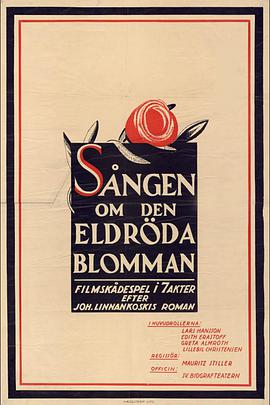
“Sangen Om Den Eldröda Blomman” ( “Song Of The Scarlet Flower” ) was a recent and remarkable silent surprise for this Herr Von; the oeuvre is an excellent Herr Stiller silent film that this German count watched in a newly restored and tinted copy. It combines the well-known aesthetics, technical improvements and artistic merits for which the Nordic director was known and praised since those early silent times till today. The film tells of the merry and carefree love life of young Olof ( Herr Lars Hanson ) a woodsman who during his search for true love, seduces many frauleins ( just like this German aristocrat… well, not exactly because the purpose of this Herr Von’s seduction of rich fräulein heiresses are their great fortunes… ). He will suffer disappointment and deception, all those problems that turn up in any loving relationship. Finally he will find responsibility and maturity, learning during his particular quest that his actions always have consequences in different degrees to the people around him. This Herr Von can describe “Sangen Om…” as a kind of coming of age film, the special introspective growth toward maturity of a free and easy youngster. As this German count said before, the film displays Stiller’s characteristic artistic virtues. ; in the first part of the film, we can see elements of comedy, not exactly like the comedy of intrigues in other Stiller films, but humor of a more cheerful sort, highlighting the self-involvement of our hero. Olof ‘s frivolous flirtations with the different girls eventually turn romantic and then turn into drama. There is conflict in the troubled relationship between Olof and his father and later with the father of his beloved. The beautiful and wild natural landscapes of Norrland and northern Sweden lend the tale a certain power and is characteristic of Herr Stiller’s other silents where Nature emerges as an important character in the story. This is strongly reflected throughout the film but especially during the frantic scene wherein Olof descends into the troubled waters of a river, a beautiful metaphor for the hardships that our hero has to endure until he finds himself. “Sangen Om Den Eldröda Blomman” is an excellent, beautiful film, a solid, technically perfect and intricate production of 1919 that demonstrates once again the importance of Herr Stiller for silent film history.